Post Your Needs

Kaarma Limestone

White - Limestone

Estonia

About

Item Details

Material Type:
Limestone
Origin:
Estonia (Kaarma, Saaremaa)
Primary Color(s):
White
Recommended Usage:
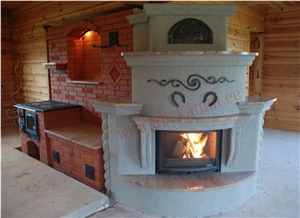
planters, fountains, facade, urban street furnitures, building stone, ornamental stone, stairs, interior, exterior wall applications, mosaic, waterjet pattern, wall panels, table tops, balustrades, columns, wall and pool copings, pool pavers, fireplaces
Additional Names:
Kaarma Dolomite, Kaarma White Limestone, Kaarma Stone, Kaarma Kivi, Kaarma
Finished Surface:
Bush Hammered,Tumbled,Brushed,Honed,Split,Machine Cut,Natural Surface,Sandblasted,Acid Washing,Combed,Leathered,Water Jet,Filled,Chiseled,Pickling

Testing

Water Absorption:
8.0-9.0 %
Density:
2100 - 2200 kg/m3
Compressive Strength:
29-37 MPa
Stone texture:
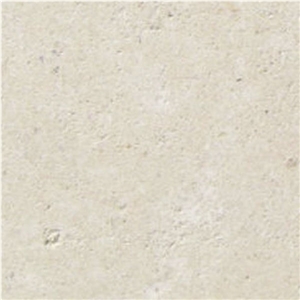
a soft to medium grey-green dolomitic limestone with a natural range from light grey and bluish-grey to greenish-grey tones, sometimes showing subtle beige or muted earthy undertones depending on the quarry layer and finishing. Its appearance is generally uniform and calm, with a fine-grained crystalline look, occasionally enhanced by small natural voids or crystal “druses” that give a slight visual sparkle or depth. The stone often has a muted, elegant natural color variation rather than strong veining, creating a consistent architectural look suitable for large surfaces. In terms of texture and structure, Kaarma limestone is fine-grained and compact but moderately porous, with a characteristic dolomitized structure that produces a slightly crystalline, smooth yet naturally textured surface, sometimes with faint fossil traces or micro-porosity that add subtle character without strong patterning

Description

Kaarma Limestone is a distinctive dolomitic limestone sourced from Kaarma, Saaremaa in Estonia. It is characterized by its soft to medium grey-green color palette, with tones ranging from light grey and bluish-grey to greenish-grey. Occasionally, it displays subtle beige or earthy undertones. The limestone boasts a uniform, calm appearance and a fine-grained crystalline texture, which is sometimes enhanced by small natural voids or crystal “druses,” offering a slight visual sparkle or depth. It features muted, elegant natural color variations rather than strong veining, making it an excellent choice for creating consistent architectural looks across large surfaces.

Physical and Mechanical Properties:

  • Water Absorption: 8.0-9.0%
  • Density: 2100 - 2200 kg/m³
  • Flexural Strength: Generally moderate, suitable for standard construction applications.
  • Compressive Strength: 29-37 MPa
  • Hardness: Moderate, able to withstand typical wear and tear in indoor and outdoor settings.
  • Porosity: Moderately porous, contributing to its characteristic appearance and texture.
  • Slip Resistance: Adequate for indoor use; outdoor use may require additional treatment to enhance slip resistance.

Chemical and Mineral Composition (% by weight):

  • Calcium Carbonate (CaCO₃): Predominantly high, characteristic of limestone.
  • Magnesium Carbonate (MgCO₃): Present due to its dolomitic nature.
  • Silica (SiO₂): Trace amounts, imparting some resilience.
  • Iron Oxides (Fe₂O₃): Minimal, contributing to subtle color variations.
  • Alumina (Al₂O₃): Trace amounts, typical of natural stone.

Usage:

  • Interior Cladding: Ideal for walls and ceilings due to its elegant and uniform look.
  • Flooring: Suitable for commercial and residential settings.
  • Countertops: Durable and aesthetically pleasing for kitchens and bathrooms.
  • Outdoor Landscaping: Used for garden paths and patios, though slip resistance treatments may be necessary.

Maintenance:

  • Regular cleaning with pH-neutral stone cleaners is recommended.
  • Periodic sealing can help maintain its appearance and reduce porosity.
  • Avoid acidic cleaners that can erode the stone over time.

Cutting Sizes (cm):

  • Standard tiles: 30x30, 30x60, 60x60
  • Slabs: Custom sizes available upon request for specific architectural needs.

Surface Finish Options:

  • Polished: Enhances the crystalline texture and color depth.
  • Honed: Provides a smooth, matte finish, maintaining its natural look.
  • Brushed: Accentuates the texture, offering a rustic appearance.
  • Sandblasted: Adds a non-slip surface, suitable for flooring or outdoor use.

Kaarma Limestone serves as a versatile building material with its unique aesthetic appeal and practical properties, making it suitable for a variety of architectural applications. Its moderate porosity and elegant appearance offer a sophisticated solution for both interior and exterior designs.

FAQ

Can Estonia's Kaarma Limestone be used in wall coverings?

Yes, Estonias Kaarma Limestone can be used in wall coverings. Kaarma Limestone is known for its unique and aesthetically pleasing appearance, making it a popular choice for interior and exterior wall cladding. Its natural beauty and durability make it suitable for a variety of wall covering applications, adding a touch of elegance and character to any space.
Read question details

Can Estonia's Kaarma Limestone be used exterior applications in hot climates?

Estonias Kaarma Limestone is a natural limestone material that is commonly used for interior and exterior applications. However, when it comes to using it in hot climates, there are a few factors to consider. Limestone is a sedimentary rock composed primarily of calcium carbonate, which makes it susceptible to weathering and deterioration when exposed to extreme temperatures. In hot climates, where the temperatures can reach relatively high levels, there is a potential risk of limestone experiencing thermal expansion and contraction, which can lead to cracks, fractures, or other forms of damage. To use Kaarma Limestone in hot climates, it is important to take some precautions: 1. Select a limestone variety with good thermal characteristics: Some limestone varieties are more resistant to thermal expansion and contraction than others. Before using Kaarma Limestone, consult with suppliers or experts to ensure that it is suitable for hot climates. 2. Adequate installation techniques: Proper installation techniques, such as ensuring sufficient expansion joints and using appropriate adhesives and sealants, can help accommodate the potential thermal movements of the limestone. 3. Regular maintenance: Hot climates can increase the rate of weathering and deterioration of limestone. Regular maintenance, including cleaning, sealing, and repairing any damages, can help prolong the lifespan and appearance of the limestone. 4. Shade and protection: When possible, providing shade or protection from direct sunlight can reduce the exposure of limestone to extreme temperatures and minimize the risk of damage. Ultimately, it is crucial to consult with professionals or specialists who are familiar with local climate conditions and have experience working with Kaarma Limestone in hot climates. They can provide specific advice and recommendations based on the factors unique to the application and location.
Read question details

How thick is Estonia's Kaarma Limestone slabs?

Based on available information, the thickness of Kaarma Limestone slabs found in Estonia is typically around 3-4 centimeters (1.2-1.6 inches). However, it is important to note that this may vary depending on the specific quarry and processing methods.
Read question details

Can Estonia's Kaarma Limestone be used in a office?

Yes, Estonias Kaarma Limestone can be used in an office setting. The limestone is known for its durability and aesthetic appeal, making it a suitable choice for flooring, wall cladding, countertops, and other interior design elements in an office. Its natural beauty and unique patterns can add a touch of elegance and sophistication to the office space. Additionally, limestone is relatively low maintenance and can withstand heavy foot traffic, making it a practical choice for commercial environments like offices.
Read question details

What grade is Estonia's Kaarma Limestone?

The Kaarma Limestone of Estonia is primarily classified as Cambrian in age.
Read question details

Are there color variations of Estonia's Kaarma Limestone?

Yes, there can be color variations of Estonias Kaarma Limestone. The limestone can range in color from light gray, beige, or pale yellow to darker shades of gray or brown. The color variations can be due to the presence of different impurities or mineral content in the rock formation. Additionally, weathering and aging can also affect the color of the limestone.
Read question details

Is Estonia's Kaarma Limestone an expensive stone?

I dont have access to the current prices of Estonias Kaarma Limestone. However, the price of a stone can be subject to several factors like quality, rarity, location, processing, and shipping costs. Its always best to consult with a reputable supplier or stonemason to obtain accurate pricing information based on your specific needs and location.
Read question details

Products & Prices

Hot White Limestone

New Limestone

Post Your Request

The request includes:
  1. surface finished, size
  2. quantity required